Emotion Savvy: A Practical Path to Stronger Self-Awareness and Empathy
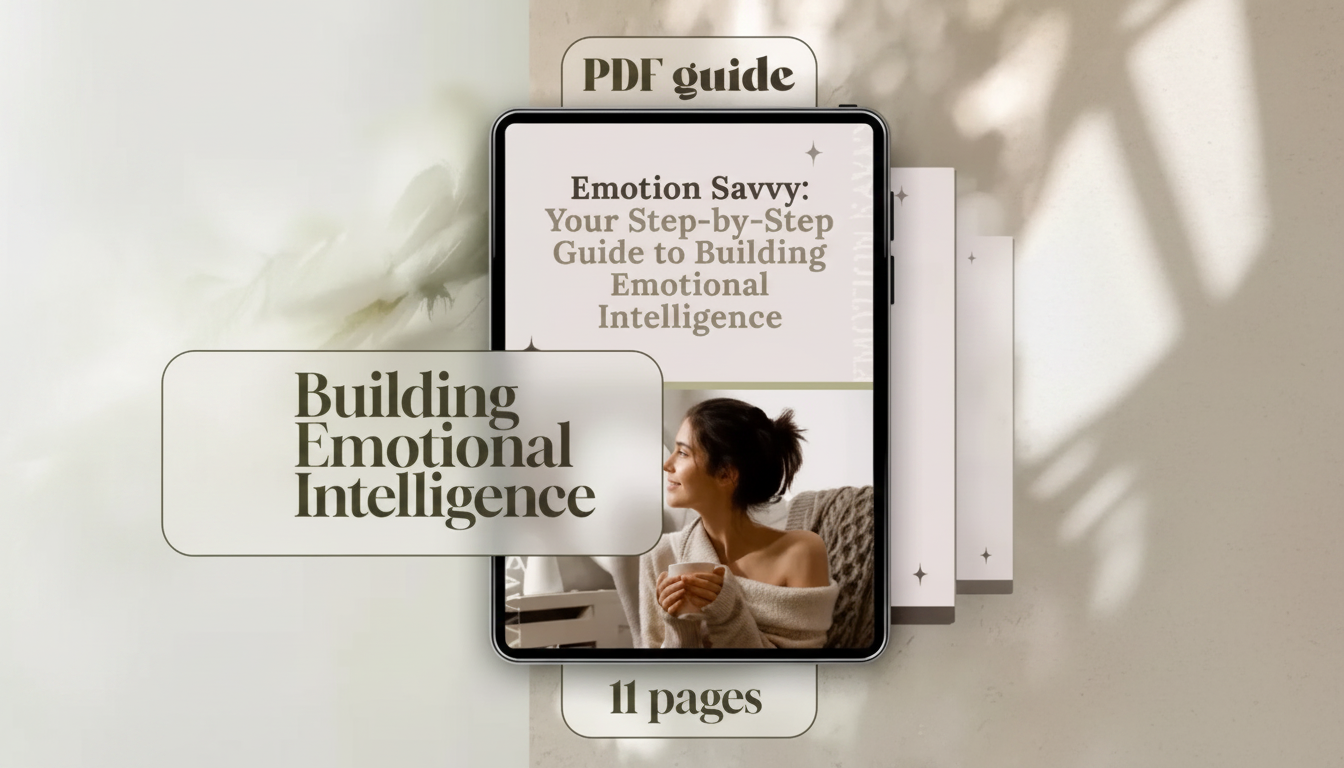
Emotional intelligence is the skill set behind staying steady under pressure, reading the room accurately, communicating with care, and recovering faster after setbacks. Emotion Savvy is a step-by-step digital guide designed to help build those skills through clear explanations and actionable exercises—especially in the core areas of self-awareness, self-management, empathy, and healthier relationships.
Research and clinical perspectives increasingly point to emotional intelligence as a learnable set of abilities rather than a fixed trait. For a helpful overview, see the American Psychological Association’s explanation of emotional intelligence. Emotion Savvy translates those ideas into repeatable practices you can use in real moments—before the email gets sent, before the argument escalates, and before stress turns into shutdown.
What emotional intelligence looks like in everyday life
- Noticing emotions early (before they turn into impulsive words or avoidance)
- Naming feelings with precision to reduce confusion and rumination
- Separating emotion from action: feeling anger without escalating conflict
- Staying curious during disagreement and asking better questions
- Recognizing patterns: triggers, stress signals, and unmet needs
- Repairing quickly after miscommunication with accountability and calm
In practice, “being emotionally intelligent” often looks quiet: a pause, a rephrase, a clarifying question, a short reset, a sincere repair. Those small moves prevent pileups—especially in close relationships and collaborative work.
What Emotion Savvy helps you practice
- Self-awareness: spotting emotional cues in body, thoughts, and behavior
- Emotional regulation: creating a pause between feeling and reacting
- Empathy: understanding what others may be experiencing without guessing motives
- Social awareness: reading context, tone, and boundaries more accurately
- Communication: expressing needs clearly and listening without defensiveness
- Reflection habits: short, repeatable check-ins that compound over time
Empathy in particular improves when it’s treated as a skill: noticing cues, asking better questions, and staying open to being corrected. The Greater Good Science Center’s empathy overview captures this well—empathy is about understanding and connection, not mind-reading.
A step-by-step method you can follow
Emotion Savvy uses a progression you can return to whenever life gets messy. Each step is simple on purpose—because the point is to use it when you’re tired, stressed, or triggered.
- Step 1 — Identify: track emotions using simple daily check-ins and situation notes
- Step 2 — Label: expand emotional vocabulary to clarify what’s actually happening
- Step 3 — Understand: map triggers, beliefs, and needs that fuel reactions
- Step 4 — Regulate: use calming and grounding techniques in the moment
- Step 5 — Respond: choose a behavior aligned with values (not just the strongest feeling)
- Step 6 — Repair: rebuild trust after conflict using clear, respectful conversations
- Step 7 — Maintain: set routines for ongoing progress (weekly reflection, micro-goals)
If regulation is the hardest step, it helps to keep a few reliable resets ready. The National Center for Complementary and Integrative Health (NCCIH) relaxation techniques page offers practical options that pair well with emotion skills (like breathing, progressive muscle relaxation, and guided imagery).
Skills map: from self-awareness to empathy
Use the skills map below to match a challenge (stress, conflict, people-pleasing, shutdown) to a specific practice. Start with one skill for 7–14 days before adding another to avoid overwhelm.
Emotional intelligence skills and practical exercises
| Skill area |
Common challenge |
Simple practice |
What improves over time |
| Self-awareness |
Feeling “off” but not sure why |
Two-minute emotion check-in (body + thought + feeling label) |
Clearer patterns and fewer surprise blowups |
| Self-management |
Reacting fast or shutting down |
90-second pause: breathe, unclench, name the feeling, choose one next step |
More control and less regret |
| Empathy |
Misreading others’ tone or intent |
Reflective listening: summarize + ask one clarifying question |
Fewer assumptions, more connection |
| Communication |
Hard conversations feel risky |
Use “When X happened, I felt Y, because I need Z. Can we…?” |
Calmer conflict and clearer boundaries |
Who this guide fits best
- Anyone who wants a structured way to build emotional intelligence without vague advice
- People working on patience, emotional resilience, or better conflict habits
- Professionals who rely on collaboration, feedback, or leadership conversations
- Partners or friends who want fewer misunderstandings and more repair skills
- Readers who prefer a digital format that can be revisited as a reference
How to use the PDF/eBook so it actually sticks
- Pick one focus for the week (self-awareness, regulation, or empathy) and practice it daily in small doses
- Attach the exercise to an existing habit (morning coffee, commute, end-of-day shutdown)
- Keep a short log: situation → feeling → need → chosen response (one minute is enough)
- Review weekly: one win, one pattern noticed, one adjustment for next week
- Use difficult moments as practice reps, not proof of failure—skills strengthen under real stress
Emotion Savvy: product details at a glance
Get the guide
Emotion Savvy: Your Step-by-Step Guide to Building Emotional Intelligence | Emotional Intelligence Guide PDF | Self-Awareness & Empathy eBook
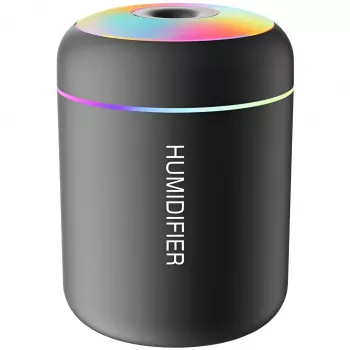
Helpful add-ons for calmer practice sessions
FAQ
Is this guide helpful for beginners who don’t know where to start?
Yes. It uses a clear progression (identify, label, understand, regulate, respond, repair, maintain) with simple exercises, and it’s designed to feel manageable when you start with one skill for a week before adding another.
How long does it take to notice changes in emotional intelligence?
Small shifts in awareness can show up within days (like catching a feeling earlier), while steadier regulation and better conflict habits typically build over weeks. Consistency, a brief weekly review, and using real situations as practice make the changes more noticeable.
Can a PDF/eBook actually improve empathy and communication?
Yes—if it leads to practice. Tools like reflective listening, emotion labeling, and structured “I feel/I need” statements are repeatable behaviors that reduce misunderstandings and make empathy easier to show in the moment.
Recommended for you











Leave a comment