What machine do you need to make donuts?
You don’t need a single “required” machine to make donuts, but the best one depends on the style you want and how often you plan to make them. For quick, consistent, small batches at home, a mini donut maker is one of the easiest options. For classic ring donuts or yeast-raised donuts, the main “machine” is usually a deep pot or countertop deep fryer—plus a thermometer for accurate oil temperature.
Mini donut maker (fastest for homemade batches)
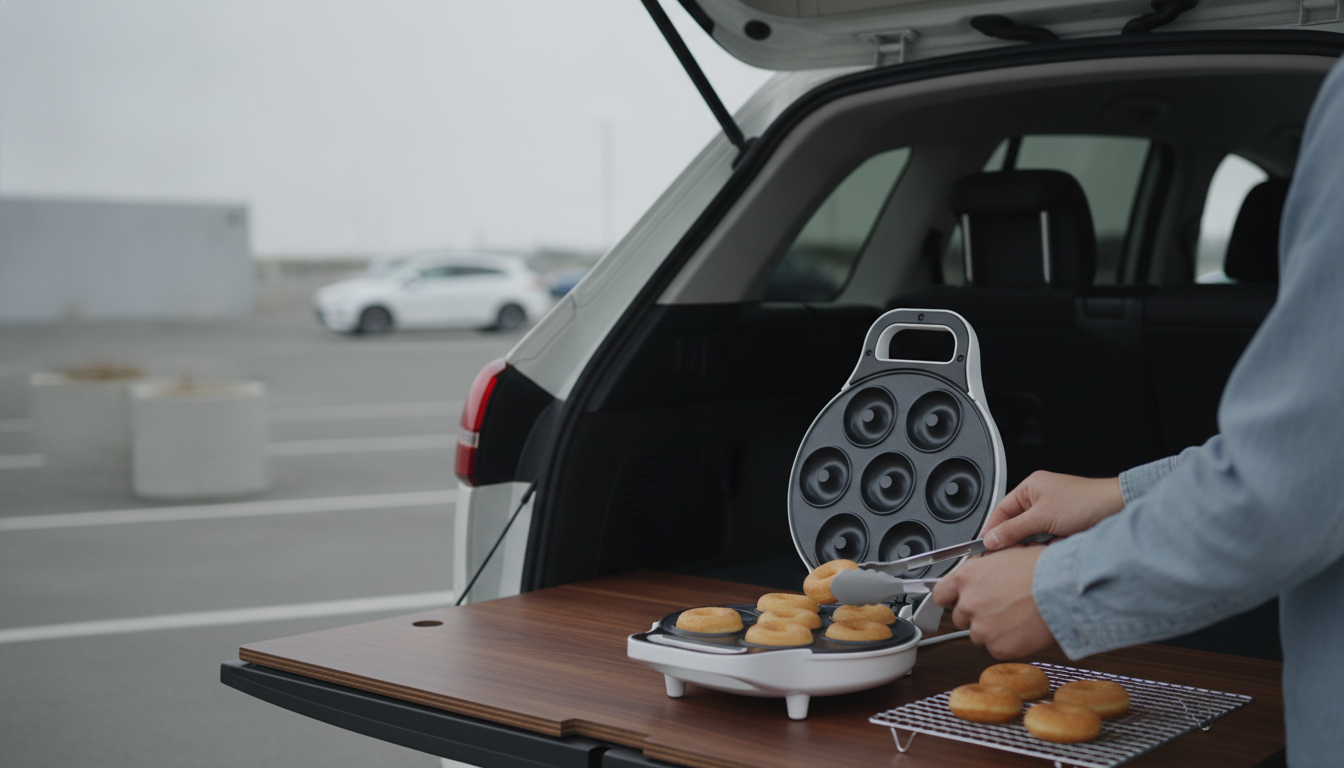
A mini donut maker is an electric countertop appliance with nonstick molds that bakes donuts instead of frying them. It’s ideal if you want minimal mess, fewer ingredients, and a predictable shape every time. You’ll still need a mixing bowl, measuring tools, and a piping bag or spoon to portion batter neatly. For a closer look at what to expect from this style of appliance, see this mini donut maker guide.
Deep fryer or heavy pot (best for classic fried donuts)
If you want the traditional fried texture—crisp outside, tender inside—a countertop deep fryer makes temperature control easier and safer, especially for beginners. A heavy Dutch oven or deep pot also works well, but you’ll want a clip-on thermometer to keep oil steady (typically around 350°F) so donuts don’t turn greasy or burn.
Stand mixer (helpful for yeast donuts)
For yeast-raised donuts, a stand mixer isn’t mandatory, but it can save time and effort when kneading enriched dough. You can also knead by hand; the key is developing enough gluten for a light, airy interior.
Optional tools that make donut-making smoother
Common add-ons include a donut cutter (or two round cutters), a spider strainer or slotted spoon for frying, a cooling rack, and a thermometer. If you’re glazing or filling, a piping bag and squeeze bottle keep things neat.
FAQ
Are mini donut makers worth it?
They’re worth it if you want quick, repeatable donuts with less mess than frying. They’re especially handy for small batches, kids’ snacks, and easy decorating.
Recommended for you












Leave a comment