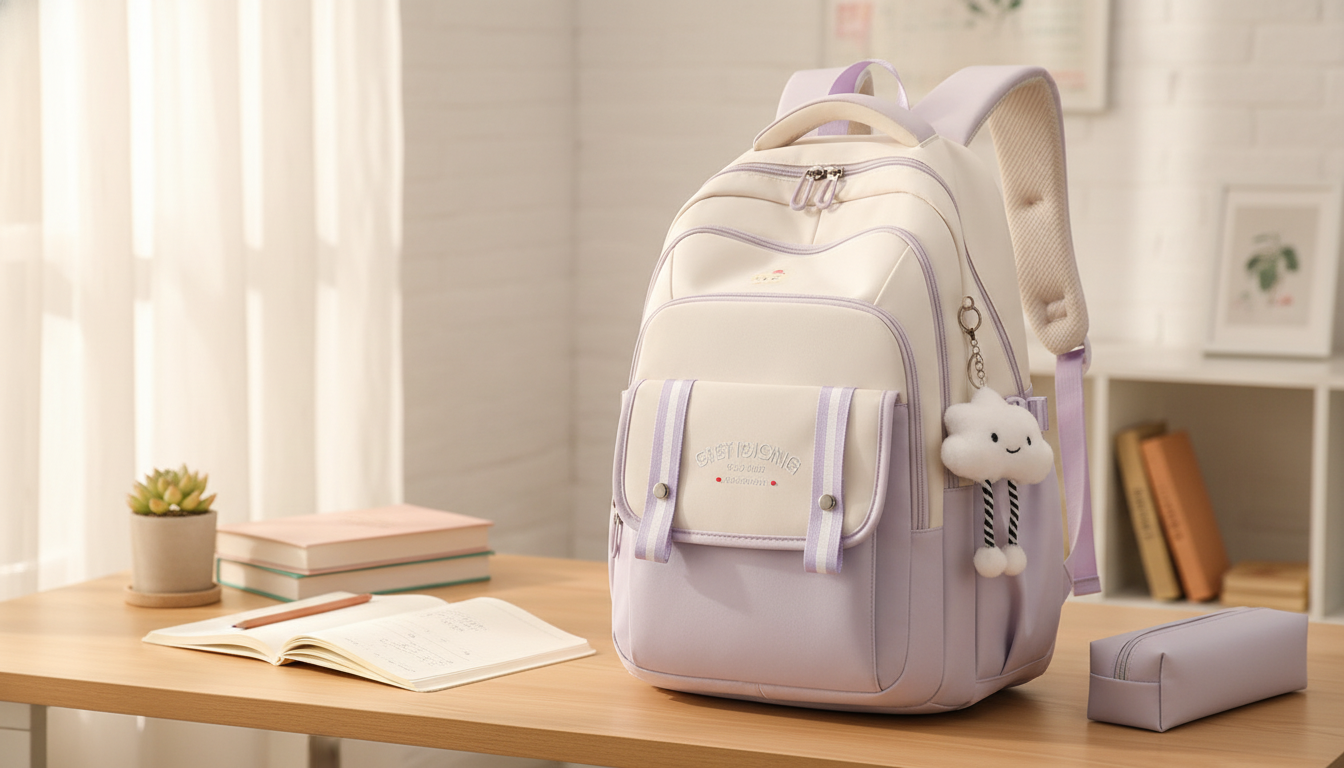
A casual backpack should feel comfortable from morning drop-off to after-school plans, with smart storage for daily essentials and durable materials that handle real life. The best picks balance everyday capacity with a lightweight feel, so it’s easy to carry but still organized enough for busy routines. Below is a practical guide to features that matter most, how to compare options, and simple care tips to keep a girls casual backpack looking great through the school year and beyond.
What Makes a Great Casual Backpack
- Comfort first: Look for padded shoulder straps, a breathable back panel, and a shape that sits higher on the back for better stability.
- Everyday durability: Strong stitching, smooth zippers, and scuff-resistant fabric help a backpack hold up to lockers, bus rides, and weekend outings.
- Easy organization: A roomy main compartment for books or a hoodie plus quick-access pockets for small items reduces last-minute scrambling.
- Style versatility: Colors and silhouettes that work with school outfits, casual wear, and weekend looks make it a go-to bag, not a once-in-a-while pick.
Quick Comparison: Features to Match the Day
Start with where the backpack will be used most—school, day trips, clubs, sleepovers, or travel. Then prioritize features that solve daily friction (tangled items, lost keys, heavy loads). Finally, balance capacity with comfort; bigger isn’t always better if it encourages overpacking.
Backpack Feature Guide
| Need |
Helpful Features |
Why It Matters |
| School essentials |
Roomy main compartment, durable zippers, reinforced base |
Handles notebooks, lunch, and daily carry without sagging |
| Quick access |
Front pocket, slip pockets, key clip |
Reduces rummaging and keeps small items easy to find |
| Comfort on long days |
Padded straps, breathable back, lightweight build |
Helps reduce pressure and sweaty backs |
| Wet-weather commuting |
Water-resistant fabric, covered zippers, easy-wipe lining |
Protects contents from drizzle and spills |
| After-school activities |
Side pockets, extra compartment, wide opening |
Fits a bottle, snacks, and gear changes |
Fit and Comfort Checklist
- Strap padding: Choose cushioning that doesn’t flatten quickly under weight; it should feel supportive, not spongy.
- Adjustability: Straps should tighten enough to keep the bag close to the back (not hanging low near the hips).
- Back panel: Light padding adds comfort and helps the bag keep its shape when it’s partially full.
- Weight habits: Pack heavier items (like books or a tablet) closest to the back panel to reduce strain.
- Safe carrying: Use both straps for stability—single-strap carrying can pull the shoulders unevenly during longer walks.
Many pediatric and safety organizations recommend keeping a loaded backpack at a manageable weight and focusing on fit. For additional safety tips, see guidance from the American Academy of Pediatrics and backpack safety resources from CDC/NIOSH.
Storage That Actually Works
- Main compartment: Enough space for a light jacket, books, or a small folder—without bending corners or crushing snacks.
- Small-item zones: A dedicated pocket for earbuds, lip balm, hair ties, or transit cards helps prevent “lost at the bottom” moments.
- Side pockets: Great for a water bottle or compact umbrella; elastic tops help items stay put during running-to-class sprints.
- Easy-open zippers: Smooth pulls matter when opening quickly between classes or while standing at a locker.
- Mess management: Separating snacks and stationery cuts down on crumbs and ink marks—especially helpful for lighter-colored interiors.
Materials, Cleaning, and Long-Term Care
- Fabric choices: Tightly woven synthetics often resist stains and dry faster after light rain, which is ideal for everyday commuting.
- Zippers and seams: Reinforced stress points help prevent tears at strap anchors and corners—common failure spots after months of use.
- Cleaning routine: Empty crumbs weekly; spot-clean with mild soap; air-dry fully before storing to keep odors and mildew away.
- Odor prevention: Put damp gym clothes or wet umbrellas in a separate pouch; leave the bag unzipped to dry after a rainy day.
- Storage: Don’t crush the backpack under heavy items in a closet—preserving shape helps the padding and structure last longer.
Outfit Pairing and Everyday Styling
- Neutral backpack + colorful accessories: A simple base color stays flexible across seasons, while a fun pencil pouch or scrunchie adds personality.
- Sporty outfits: Pair joggers and sneakers with a clean, structured backpack to keep the look polished without trying too hard.
- Dressier casual: Minimal designs work nicely with skirts, cardigans, or a blazer-style jacket for picture day or school events.
- Personalization: Small charms or zipper pulls add flair without adding bulk or making pockets harder to open.
- Weekend use: Keep a small pouch inside for quick switching—school supplies out, personal items in—so the bag transitions easily.
Recommended Picks to Round Out the Routine
FAQ
How heavy should a backpack be for a child?
Common pediatric guidance suggests a loaded backpack should be around 10–15% of body weight. Adjust the straps to keep the bag close to the back, pack heavier items nearest the back panel, and use both shoulder straps for better balance.
How can a backpack be cleaned without damaging it?
Empty everything first, shake out debris, and vacuum crumbs from seams if needed. Spot-clean with mild soap and water, avoid harsh bleach, check the care label, and air-dry fully away from direct heat.
What pockets are most useful in a casual backpack?
A roomy main compartment handles larger items, while a quick-access front pocket helps with grab-and-go essentials. Small organizer pockets keep tiny items from disappearing, and side pockets are ideal for a water bottle or compact umbrella.
Recommended for you










Leave a comment