What can you use to carve leather?
Leather can be carved with a range of tools, but the best choice depends on whether you’re cutting shapes, carving decorative lines, or stamping patterns. For clean, controlled carving, most leatherworkers rely on sharp, purpose-built blades and a few supporting hand tools that keep the cut consistent and safe.
Precision knives and scalpels (for detailed carving and trimming)
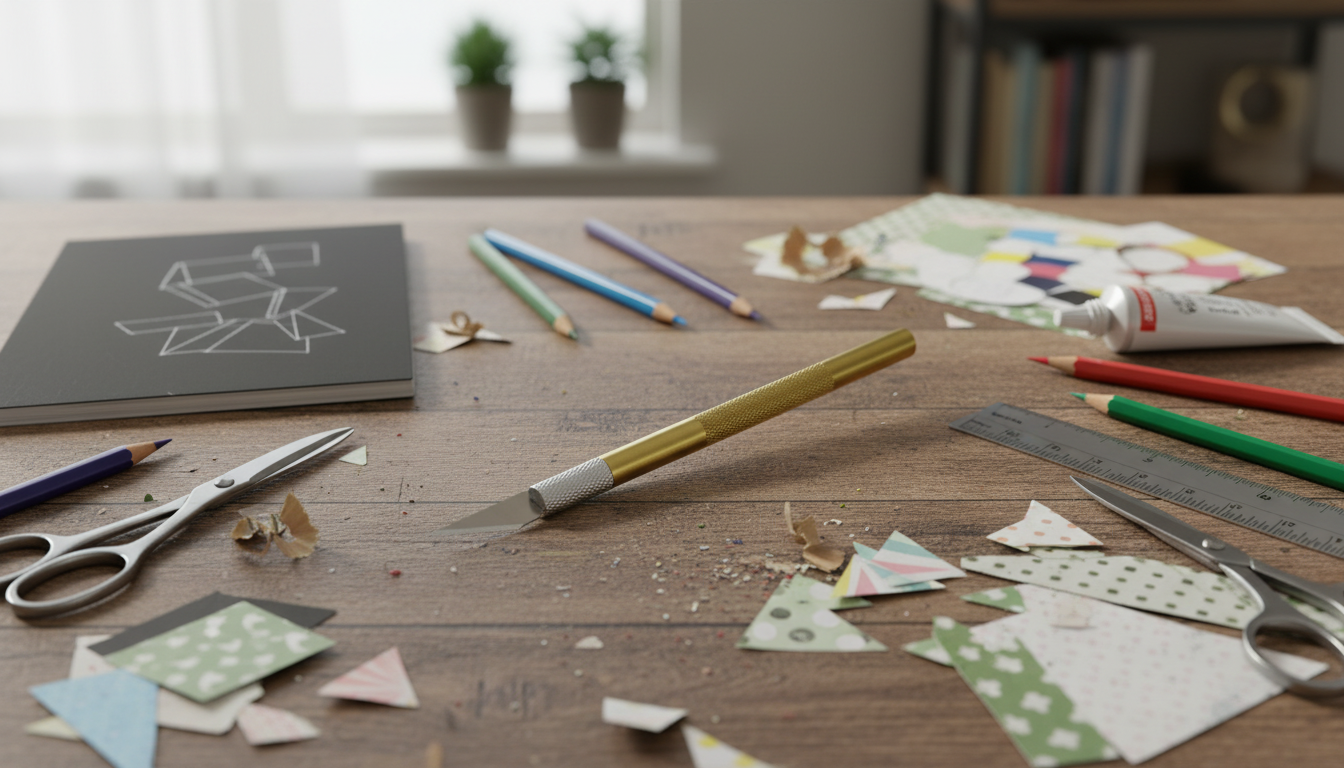
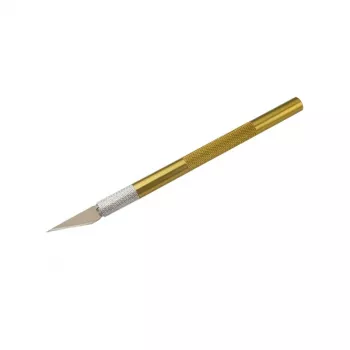
A leather scalpel or precision craft knife is one of the most versatile options for carving leather, especially for tight curves, small motifs, and clean edge details. Look for a comfortable handle, replaceable blades, and a blade style that matches your work (fine-point for detail, slightly broader for longer cuts). A cutting mat and a metal ruler also help keep lines crisp and prevent skipped cuts.
For a deeper dive on blade types and control tips, see the full guide here: leather scalpel knife set for precision cutting.
Swivel knife (for traditional leather carving)
If “carving” means decorative tooling on vegetable-tanned leather, a swivel knife is the classic tool. It’s designed to cut shallow, smooth grooves that are later emphasized with bevelers and other stamping tools. A properly stropped swivel knife glides instead of dragging, which makes your lines cleaner and reduces tearing.
Leather carving chisels and stamping tools (for texture and definition)
Bevelers, pear shaders, veiners, and backgrounders don’t “carve” by slicing; they shape and compress the leather around your swivel-knife cuts to create depth. Used with a mallet, these tools turn simple cut lines into dimensional patterns. For best results, case (slightly dampen) veg-tan leather before tooling.
Skiving knife and edge tools (for shaping and finishing)
A skiving knife thins leather in targeted areas for folds, seams, and transitions. While it’s not decorative carving, it’s essential for shaping leather cleanly. Edge bevelers and groovers refine borders and channels, helping your carved work look intentional and finished.
FAQ
What is the best leather for carving and tooling?
Vegetable-tanned leather is the standard because it accepts swivel-knife cuts and stamping impressions cleanly. Softer chrome-tanned leather generally won’t hold crisp carved lines or tooling depth.
Recommended for you











Leave a comment