Can a scalpel cut leather?
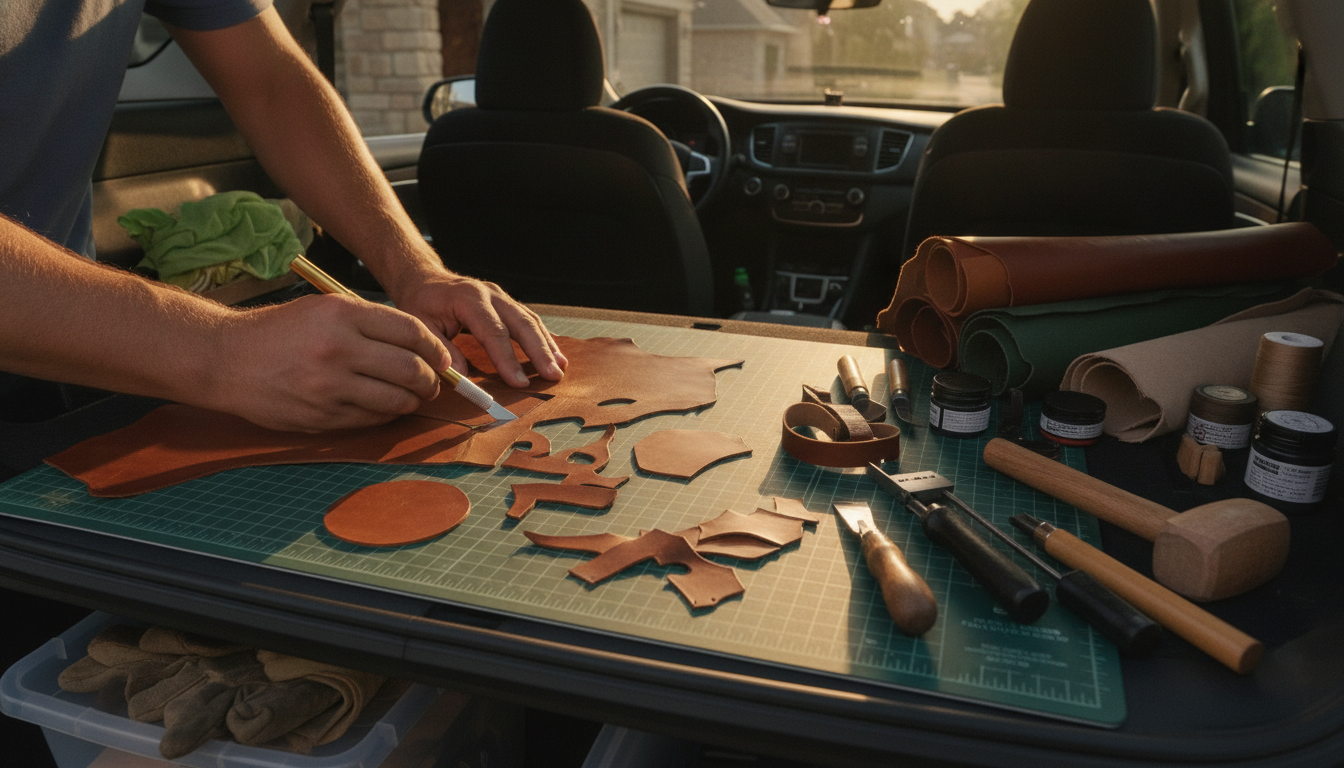
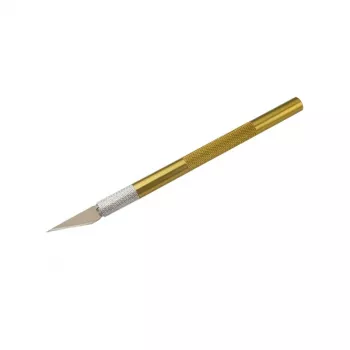
Yes— a scalpel can cut leather, especially thin to medium weights, and it can do it with excellent precision. Because a scalpel blade is extremely sharp and narrow, it’s well-suited for tight curves, small cutouts, pattern notches, and trimming edges where a bulkier utility knife can feel clumsy.
When a scalpel works best on leather
Scalpels shine on detail work: wallet interiors, watch straps, small panels, lace slots, inlays, and template cutting. They’re also handy for shaving or skiving tiny areas where you want controlled removal rather than a long slicing pass. For clean results, use a firm cutting surface (like a self-healing mat), keep the leather flat, and make multiple light passes instead of forcing a single deep cut.
Limits to expect
For thick, stiff, or heavily waxed leather, a scalpel can still cut, but you may burn through blades quickly or struggle to keep the cut perfectly vertical. Long straight cuts on heavier hides are often faster with a leather knife, rotary cutter, or sturdy utility blade. If the blade starts to drag, skip, or leave fuzzy edges, it’s usually a sign to replace it—scalpel blades are designed to be swapped often.
Safety and handling tips
Leather can grab a blade unexpectedly, so stabilize your work with a non-slip surface and keep fingers out of the cut line. Use a metal ruler for straight lines, cut away from your body, and cap or dispose of blades properly. A scalpel handle that fits your grip helps maintain steady pressure and prevents slips during detailed cuts.
For a practical breakdown of choosing a scalpel and matching blade shapes to leather tasks, see the full guide here: https://angelina.best/guide-leather-scalpel-knife-set-precision-cutting/.
FAQ
What blade is best for cutting leather with a scalpel?
A curved blade is often easier for controlled slicing, while a pointed blade is better for corners and fine detail. The “best” choice depends on whether you’re doing long cuts or intricate openings.
Recommended for you











Leave a comment